
Mycotoxin Testing
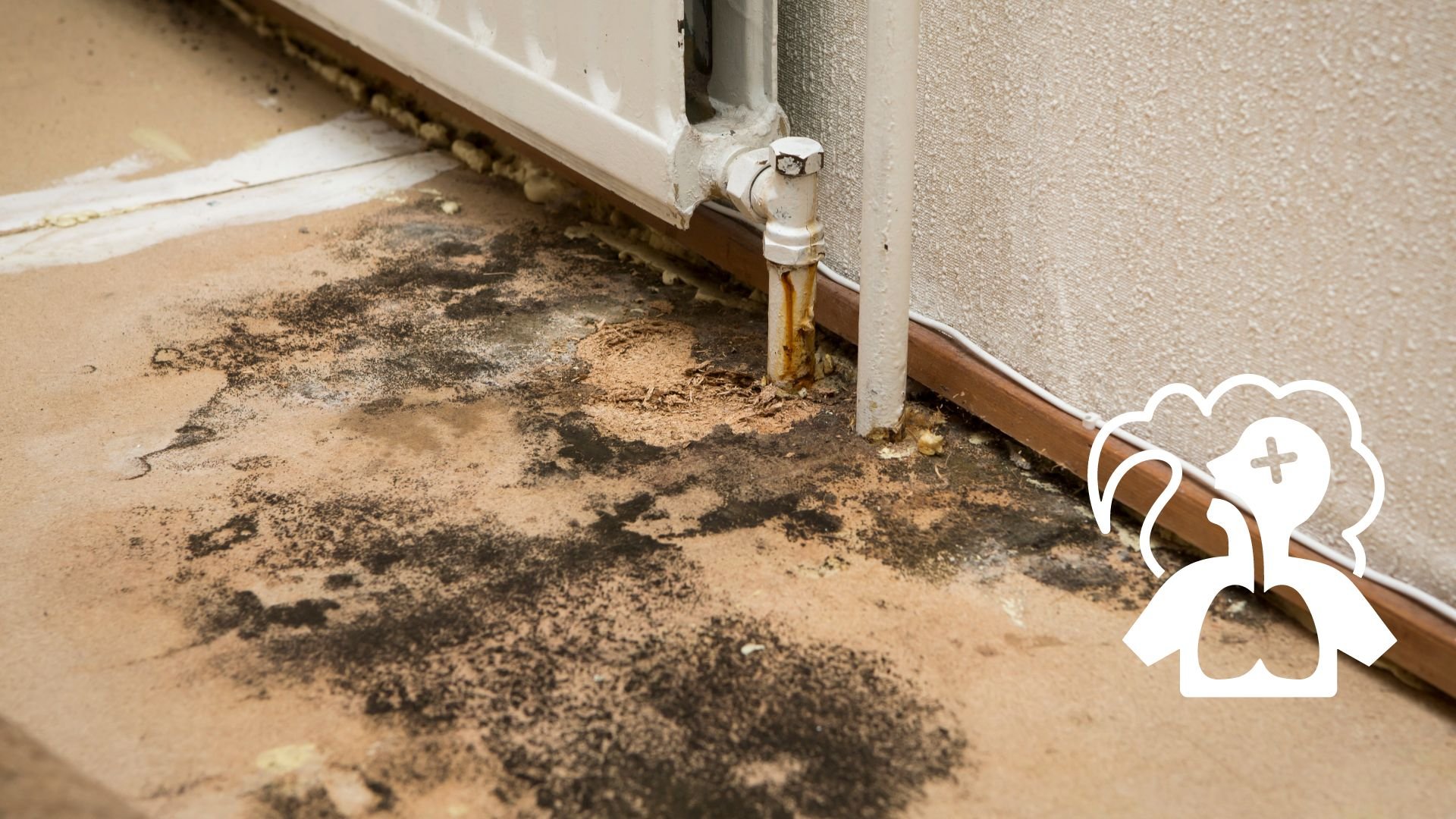
Mould can grow on many surfaces and materials in the home, especially where there has been water damage. Leaks, flooding and ongoing condensation create damp conditions where mould can establish quickly, often within 24 to 48 hours. Organic materials such as timber, plasterboard and carpet are particularly vulnerable. As colonies develop, some species can produce mycotoxins, which are toxic compounds that settle in dust and on surfaces. They can also become airborne on spores and tiny fungal fragments.
Mycotoxins are not the only concern. All moulds contain a cell-wall compound called (1→3)-β-D-glucan, which can trigger inflammation in the airways. Exposure has been linked to airway irritation, coughing and reduced lung function. Mycotoxins and β-glucans both remain in dead mould, so killing mould or spraying it with biocide does not remove the hazard.
Living in damp or mouldy buildings is linked to a higher risk of respiratory symptoms, respiratory infections and asthma flare-ups. Children, people with asthma or allergies, and people with weakened immune systems are especially vulnerable.
In our experience, mycotoxins and β-glucans can stay in a property long after the visible mould has been removed. They are carried on fine dust and fungal fragments that build up on surfaces, in soft furnishings and inside wall and ceiling cavities. When that dust is disturbed, they can become airborne again. HEPA air filtration helps capture airborne particles, but it cannot remove what has already settled. That requires removing the source, fixing the moisture problem, and detailed cleaning such as HEPA vacuuming and damp wiping, followed by verification testing.
We have assessed homes where mould remediation had been completed, yet occupants reported no improvement in their symptoms. In some of these cases, our testing found that residues from the earlier mould growth were still present.
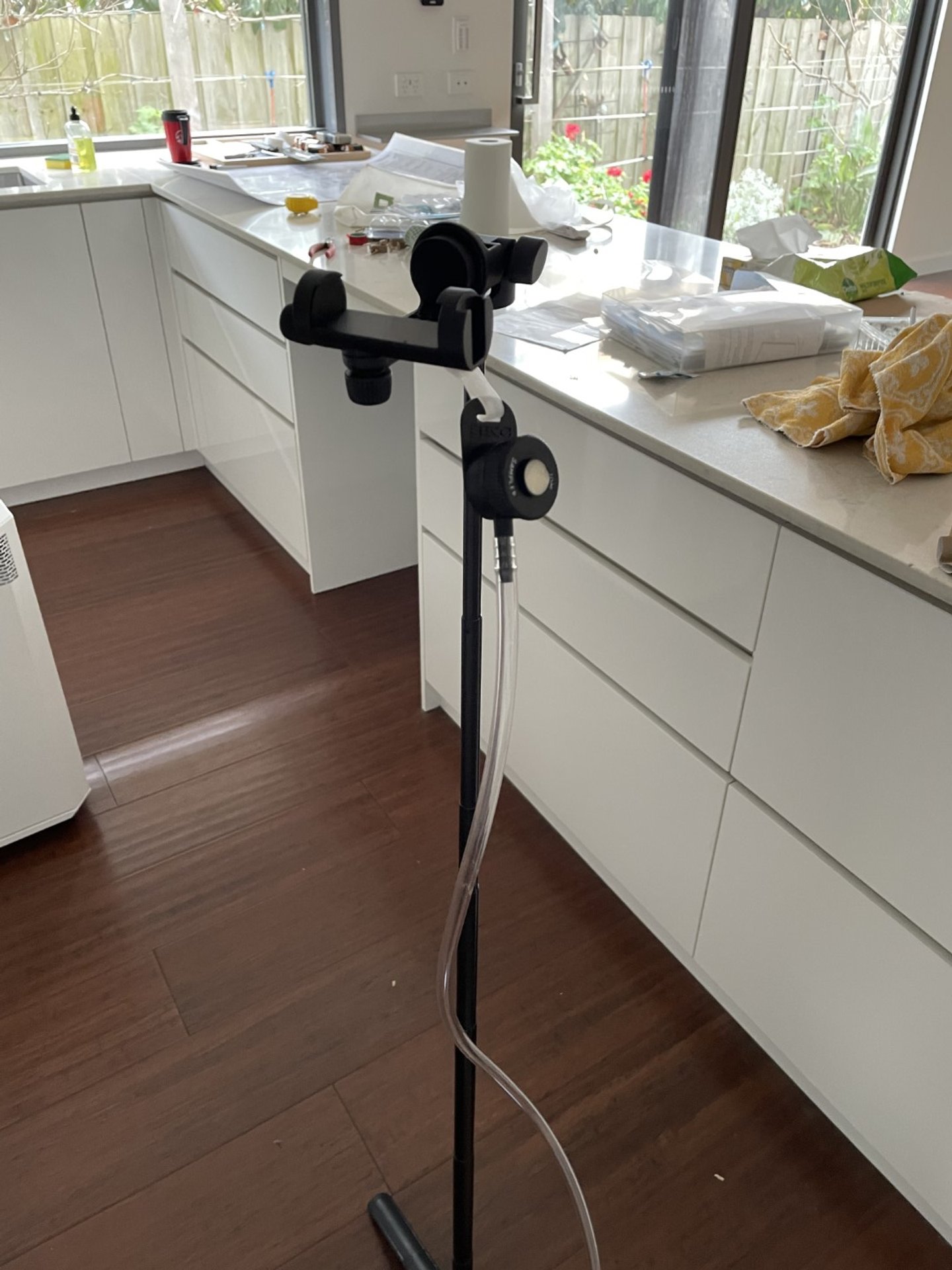
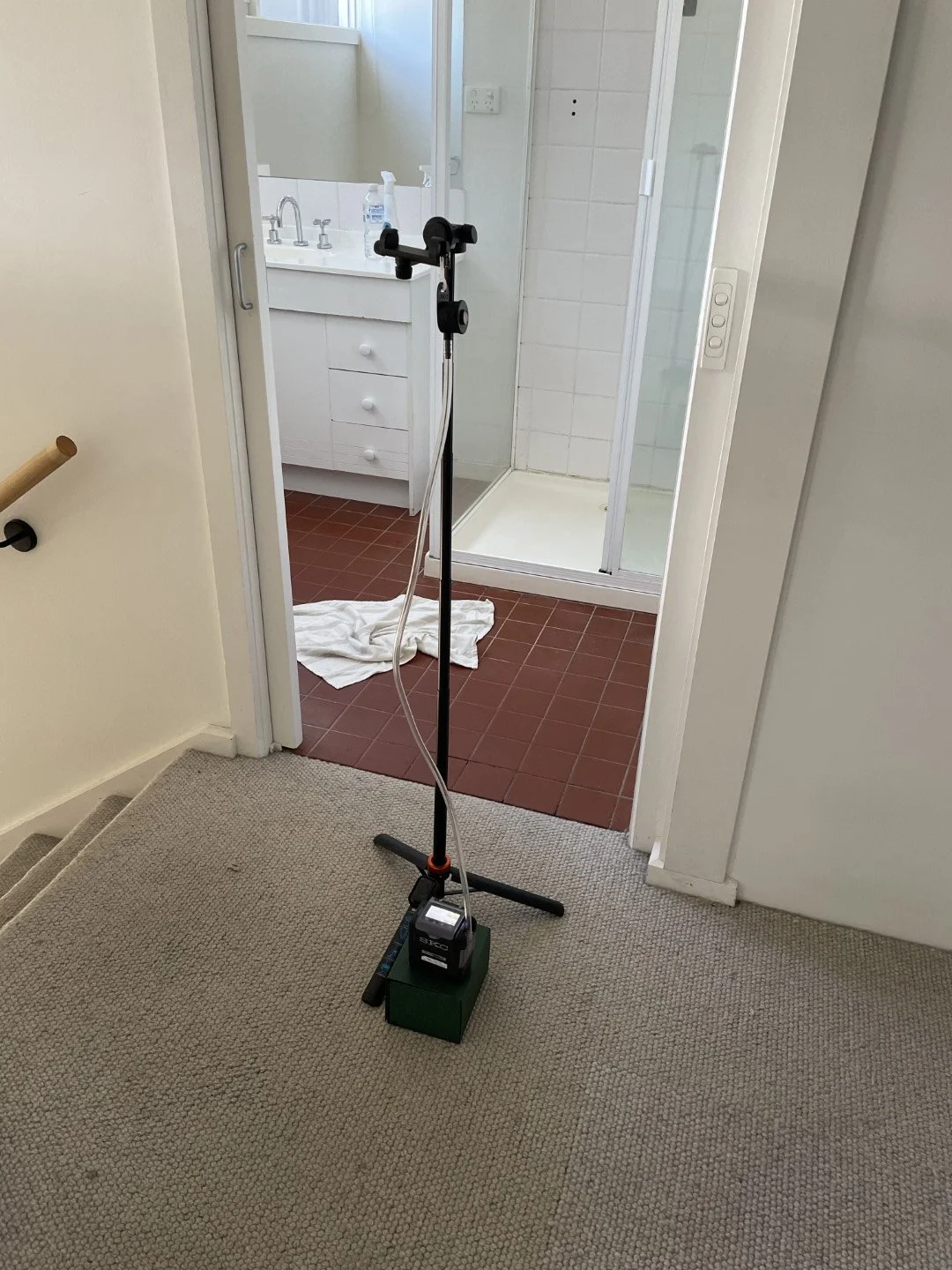
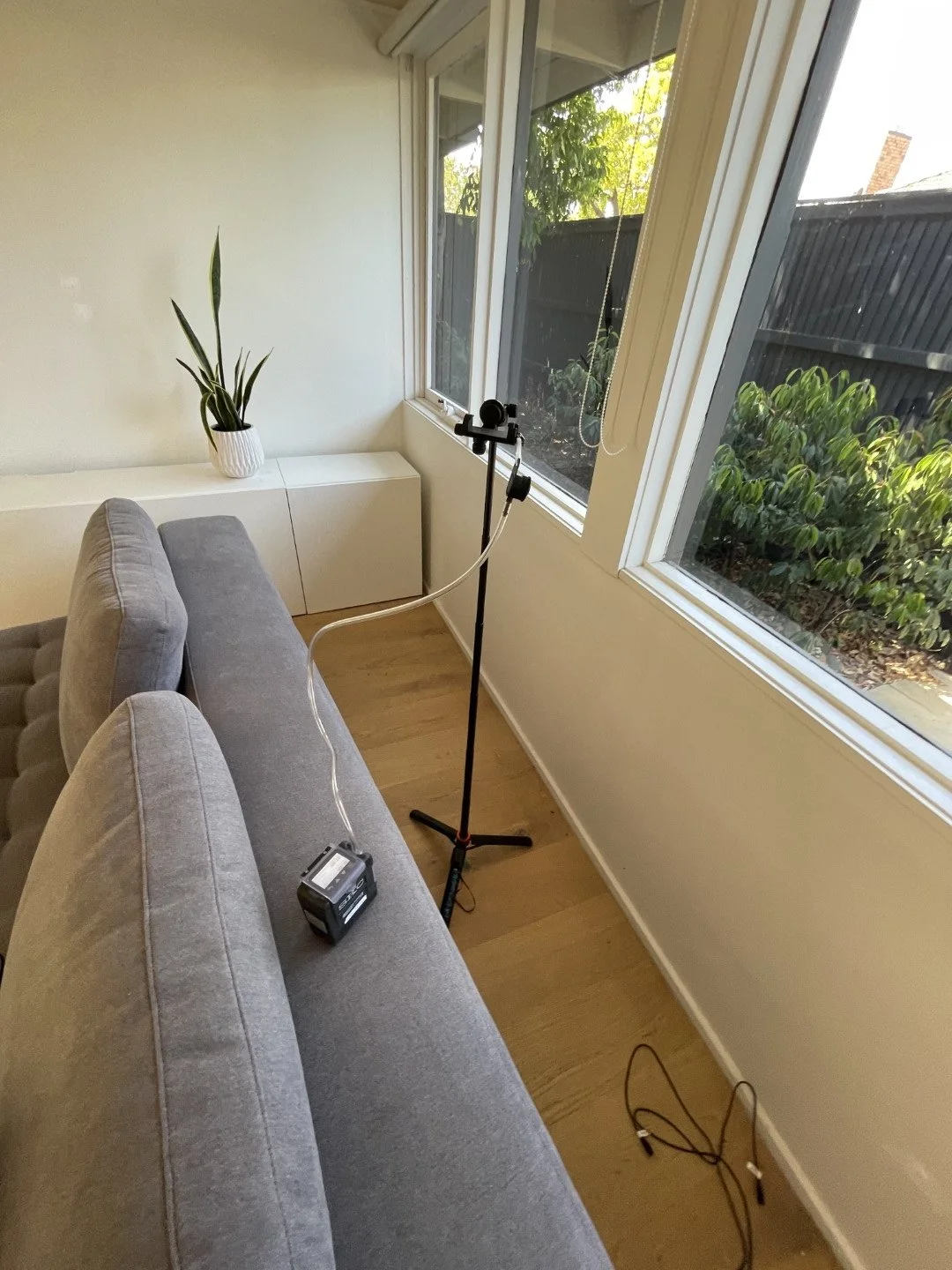
Test My Property (TMP) offers comprehensive testing to help assess these concerns. Our certified professionals carry out thorough inspections and use advanced sampling methods, including in hard-to-reach areas. Samples are analysed by an accredited laboratory, and we interpret the results in the context of the property's moisture history and condition.
Airborne mycotoxin testing covers:
Aflatoxins, total (B1, B2, G1, G2)
Ochratoxin A
Trichothecenes T-2/HT-2
Where to start
For most properties, the first step is a thorough mould and moisture assessment. It is normally all that's needed, and it is the more appropriate option. It identifies where moisture is coming from, how far mould growth extends, including hidden growth, and which materials are affected. These findings guide effective remediation. Mycotoxins and β-glucans come from mould growth, so finding and fixing the underlying moisture problem and removing the contamination deals with the source of all of these hazards.
Mycotoxin Testing